3 Ways to Eliminate Back Pain While Biking
Discover three little-known tips to combat back pain while biking! Learn to identify the causes and enhance your rides for maximum enjoyment.
The RNP training space, free for life
Get access to RNP training, no strings attached.
Every cyclist, whether a hobbyist or a competitor, has experienced back discomfort at least once during a ride.
In this article, I will provide you with three lesser-known tips to help eliminate discomfort during your outings.
What is back discomfort and where does it come from? You surely remember that lower back pain that appears after a few minutes of biking and prevents you from enjoying your ride or ruins the end of your race...
The discomfort simply indicates that something is wrong in your body; you need to find the cause of this imbalance.
“Pain is an eminently subjective experience, and the same stimulus will be felt differently by one person or another, without us knowing if the difference lies in the nociception circuits carrying the sensory message, or at the level of the cerebral cortex itself,” says Michel Barrot from CNRS.
This article is aimed at individuals without any pathology and in good health; please consult a doctor if you have any doubts.
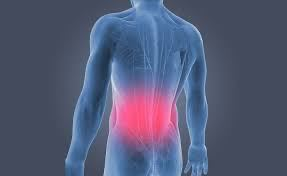
What else can you do besides your bike posture study?
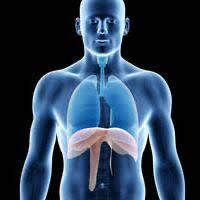
Mobilize your diaphragm
But what happens to the muscles of the spine during this process? When we breathe, the ribs rise, the paravertebral muscles shorten, and when we exhale, they lengthen and undergo a load. This discharge and loading of the tissues along our posterior spine produce an increase in muscle tone. No matter how much strengthening you do, they will remain overstressed.
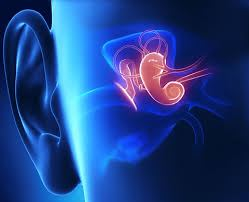
Recalibrate the vestibular system
Our inner ear detects changes in head movement; it creates changes in the rest of the body to compensate for the head's movement change. Poor feedback from the vestibular system can lead to excessive tension in the muscles around the spine or in the leg muscles (poor compensation), thereby increasing the workload. The more you use them, the faster they tire.
Reconnect the motor pathways
The body, thanks to the brain, continuously readjusts to adapt to its environment. If the incoming information is incorrect, the outgoing information will also be wrong. This creates a continuous cycle of errors. Breaking the cycle by restoring full access to your body allows your brain to receive and send clear and appropriate information.
By Gaël Faury, Physical Trainer – Neuro-Cognitive Development
INSTAGRAM: SET-UP PERFORMANCE
Read next
LabO Notebook
Mastering the Art of Motor Learning: The Revolutionary Approach of the OPTIMAL Theory
Discover how the OPTIMAL theory transforms motor learning by combining intrinsic motivation and attention to boost your sports performance and optimize your movements.
Read the article LabO NotebookNeuro and Stress: A Journey into the Heart of Emotional Responses
Discover how the brain processes stress and regulates our emotions. Dive into essential neural mechanisms, from the reflex to the amygdala, to better understand our reactions to danger.
Read the article LabO NotebookUnderstanding Primitive Reflexes in 5 Minutes
Discover primitive reflexes, these archaic movements that spark debate and curiosity. In under 5 minutes, unveil their functioning and form your own opinion!
Read the articleReady to read the loop before the movement?
The RNP system is meant to be read, targeted and tested from your next assessment. Start with the member space, for free.